
Services
Road first, rail in support, customs and warehousing alongside. One order from our Kashgar warehouse to clearance at destination.
1. Road freight (core)
Full-truckload and container road freight is our core business. There are no direct trucks from Kashgar or Wuqia: cargo is transloaded at Osh-Karatai, about 30 km from Osh, and at Bukhara depending on equipment and lane. With containers, the truck changes, the box does not — no transloading and no repacking along the way.
Uzbek and Turkmen drivers generally do not accept drop-and-hook, so transloading points and driver handovers must be arranged in advance. Booking a truck normally requires one day's notice; if the slot is not loaded that day it is released and the rate must be re-quoted.
Border crossings are assigned by direction: Irkeshtam (Iran, Turkmenistan, Afghanistan, Uzbekistan, Osh), Torugart (Bishkek), Karasu (Tajikistan) and Khunjerab (Pakistan), with Alot as the entry point into Turkmenistan.
Equipment and weight limits
Six-axle trucks in Central Asia are kept at no more than 44 tonnes for truck plus box plus cargo, with the tractor weighing about 15–16 tonnes. Up to 25 tonnes of cargo there is effectively no overweight risk; above 25 tonnes, fines apply in several countries and can reach several hundred to USD 1,000. Vehicles over 4 metres high need an oversize permit, obtained in China and abroad.
| Equipment | Suited to | Notes | Availability |
|---|---|---|---|
| Container chassis | Containerised cargo | Change the truck, keep the box | within 150 chassis |
| Curtain-side | Unitised cargo, equipment, building materials | Full-truckload only; two bills in one box for the same shipper | within 177 box trucks |
| Flatbed / step-deck | Oversize equipment, vehicles | Crane loading for single units, charged at RMB 1,800 | 50 units |
| Car-carrier | Vehicle exports | Vehicles may not be self-driven across the border | 90 units |
| Other | — | Allocated per lane | 15 units |
Capacity basis: one controlled fleet of 110 trucks based in Kashgar, equity stakes in two carriers (56 and 36 units), and 280 units across six partner carriers introduced through the Kashgar Vehicle Export Industrial Park — 482 units in total. This is managed capacity, not wholly-owned equipment.
2. Rail combination (support)
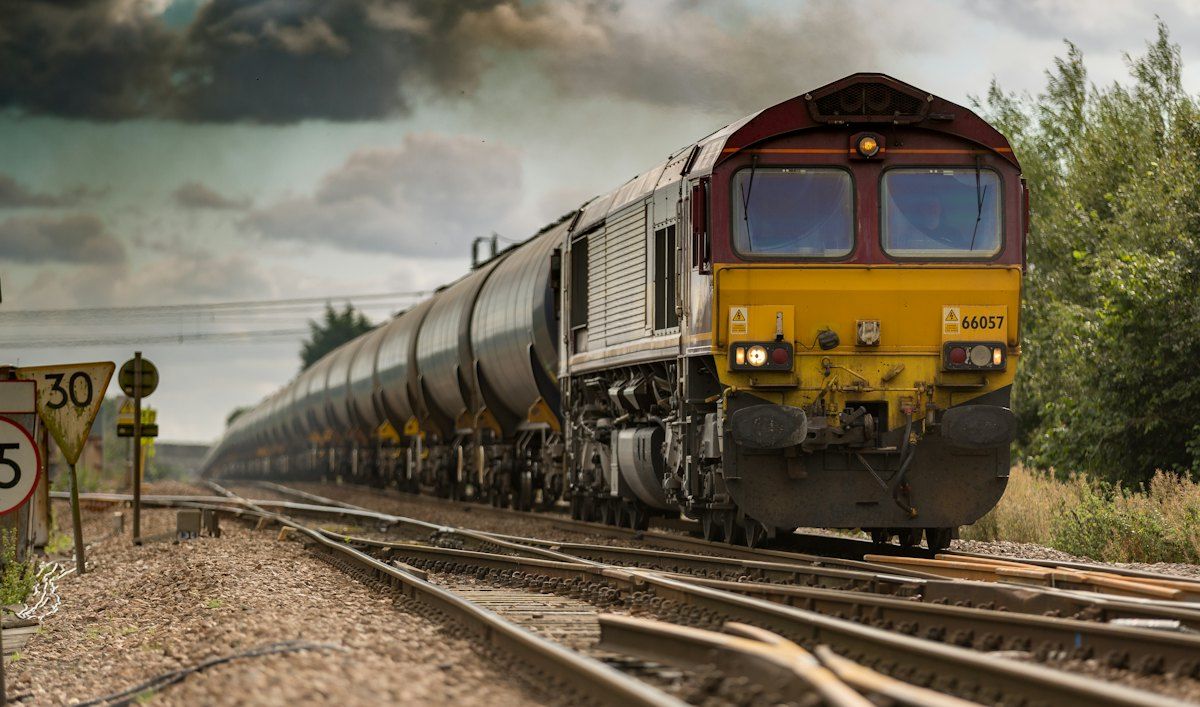
The Osh rail yard is our pivot for rail legs, with road drayage at both ends. It suits large volumes, time-tolerant cargo and shippers looking to lower the per-box cost. Batches start at 3–5 boxes (or wagons) and scale to 10–15 as volume grows, with a target of one train per week carrying 20–40 boxes.
One caveat: the Osh–Iran rail route is currently closed. Osh–Afghanistan can move by rail; the Iran–Turkmenistan route is also closed at present. Rail is therefore a complement to road on these lanes, not a substitute.
3. Customs and documents
Export declarations are handled by KASHIQILU and its brokers. Destination clearance is normally arranged by the consignee or their agent; where we handle it, it is confirmed case by case and charged separately.
| Document / item | Notes | Issued or handled by |
|---|---|---|
| Export declaration | Contract, packing list, invoice (stamped, HS code shown), declaration elements, e-authorisation | KASHIQILU and broker |
| CMR consignment note | No bill of lading for road; one per truck; consignee must be the full legal name at destination | Carrier |
| PIC pre-inspection | Recognised by Pakistan Customs for pre-shipment inspection of exported equipment | Arranged by KASHIQILU |
| CUTR certification | Customs union certification recognised in Russia and the EAEU | Arranged by KASHIQILU |
| Transit duty | Kyrgyz transit duty at 0.4% of declared value on accompanying documents, paid to Osh Customs, at cost | Paid by KASHIQILU |
| Export licence | Test report first, then application; typically issued in 1–2 working days | Applied for by shipper |
The 0.4% transit duty is a tax paid on your behalf, not a service fee. Declared values for Chinese export must be close to market levels; values that are too high or too low can trigger retrospective checks.
4. Warehousing and transloading
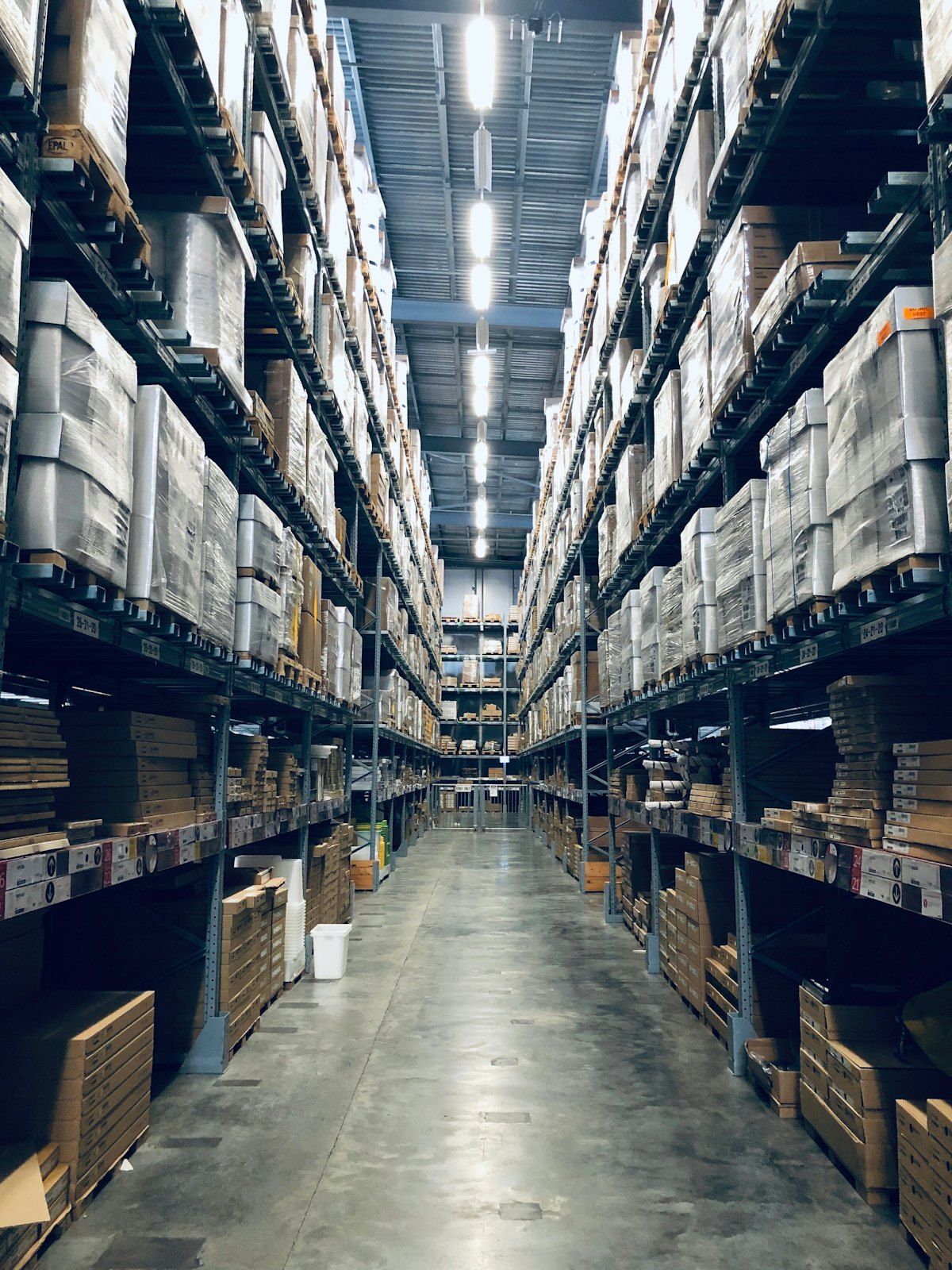
From the Kashgar bonded zone to overseas transloading points, the real variables in transit time are where cargo stops, for how long, and who receives the truck. We operate warehouses in the Kashgar bonded zone and at Wuqia, transloading points at Osh-Karatai and Bukhara, and overseas warehouses in Pakistan and Tajikistan. A cargo and container yard at Sarakhs in Iran is being planned.
- Kashgar bonded zone: bonded storage, “one-day trip” movements, export declarations on exit; gate barriers lift automatically on verified weight.
- Wuqia warehouse: forward warehouse at the border; location sent by your coordinator.
- Osh-Karatai: about 30 km from Osh, the main transloading point.
- Bukhara: second transloading point, used according to equipment availability.
- Sost / Panj: overseas warehouses and local distribution.
Our credentials do more than move cargo
Bonded repair
Started in March 2025; the first batch of overseas faulty parts was repaired and re-exported in December 2025 — the first bonded repair of new-energy vehicle control boards in Xinjiang.
Used-vehicle export
Registration book, licence, transaction invoice and export licence. Where an individual cannot issue an invoice, a 2% tax point applies or the invoice is issued through a pilot or corporate entity. Used vehicles are not eligible for export tax refund.
Settlement
Our joint venture with Kashgar Commerce and Logistics Group operates the Silk Road Cloud platform, providing settlement channels for Iran, Afghanistan, Russia and Turkmenistan.
Pre-shipment inspection
We arrange pre-inspection of exported equipment and issue Pakistan-recognised PIC certificates and EAEU CUTR certification, reducing disputes on arrival.
Cargo first, price second
Commodity, HS code, gross and net weight, volume, packaging, origin, destination and handover point, plus equipment preference — with those eight, we can quote the same day.